.png)


Post-Indiba Scar Care
Post-Indiba Scar Care
― Table of Contents ー
●What is INDIBA
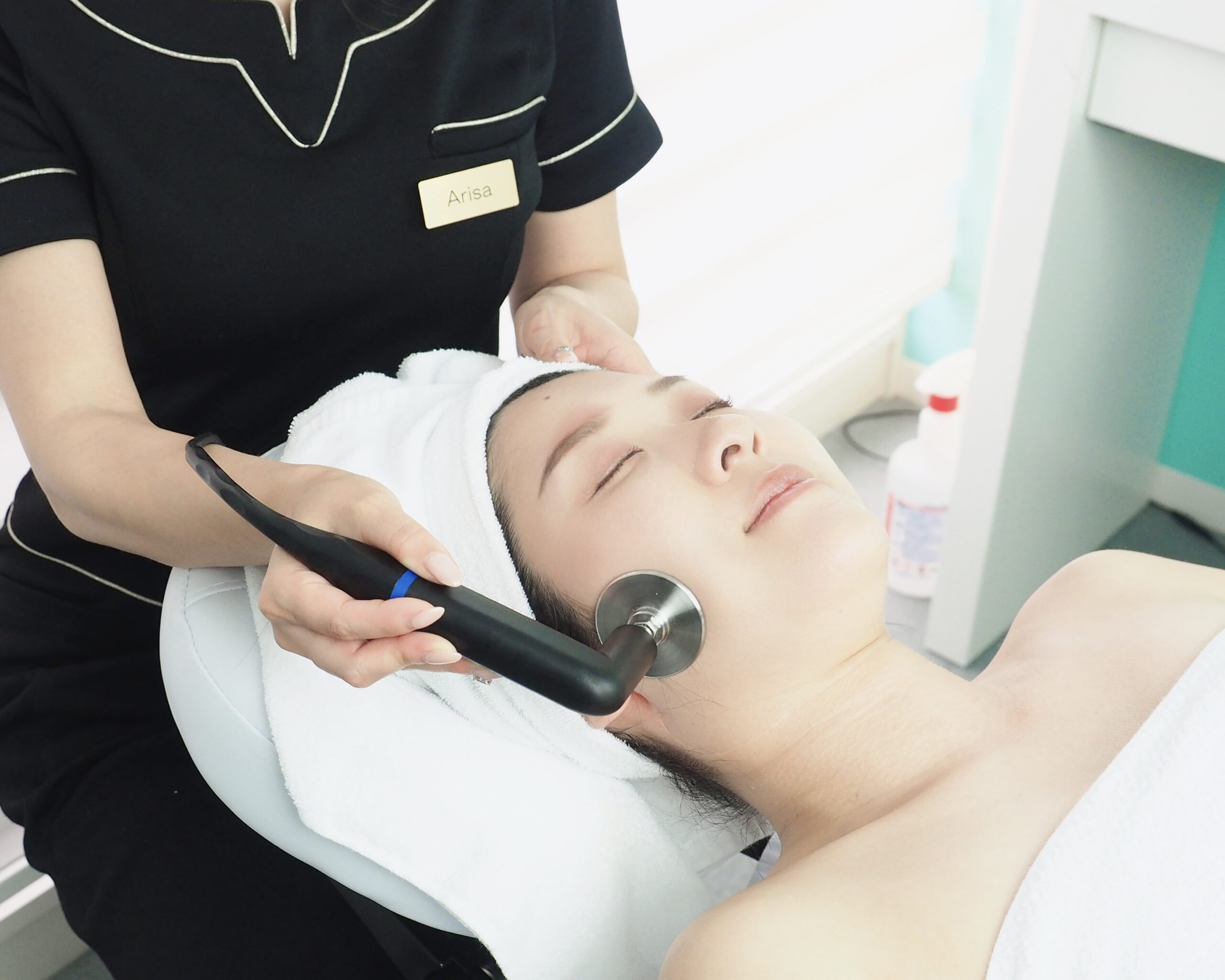
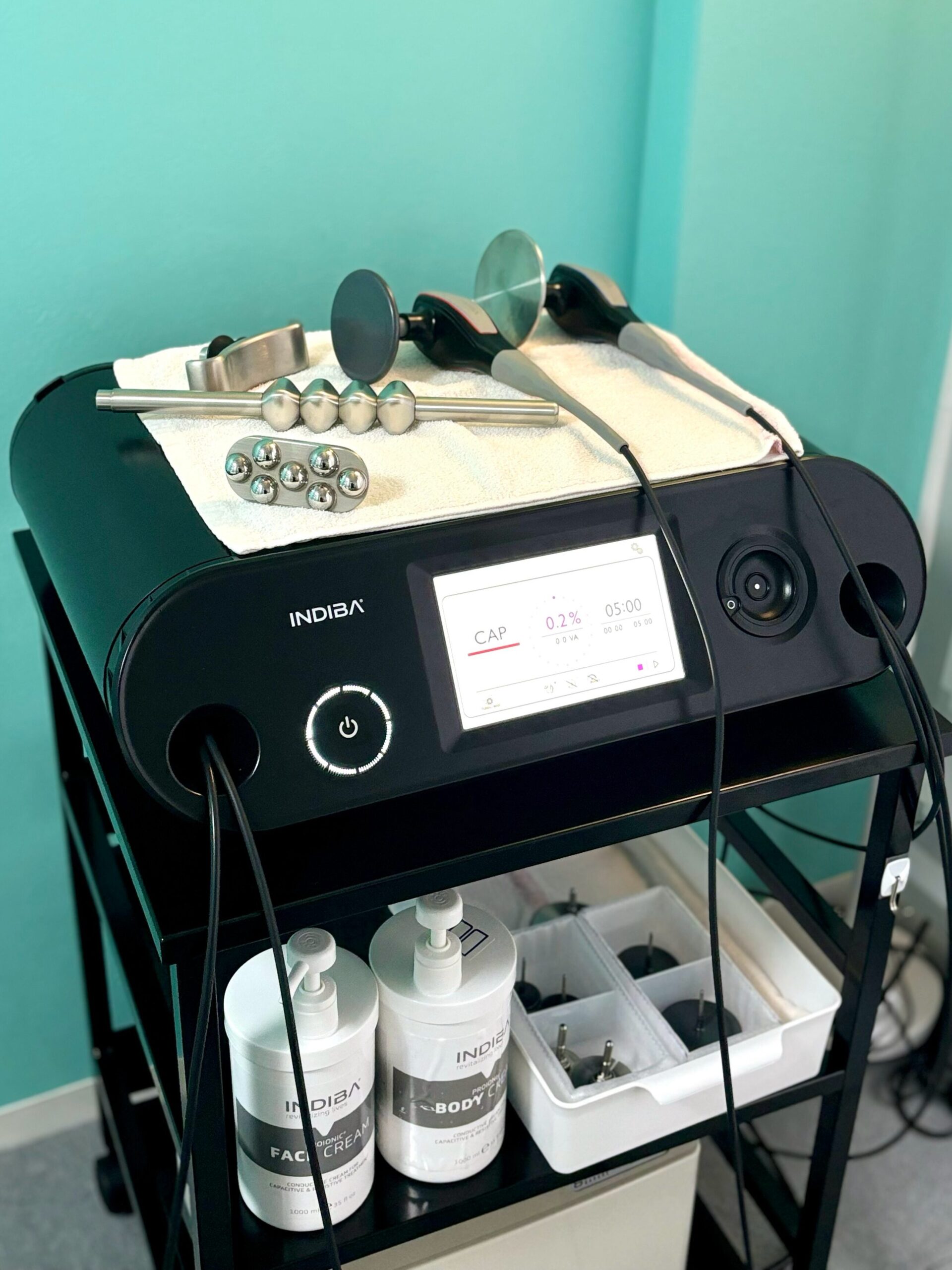
INDIBA post-operative care is a recovery treatment that uses gentle deep heat to improve blood circulation and lymphatic flow after surgery, helping to reduce swelling, bruising, stiffness, pain, and discomfort. It is commonly used after cosmetic procedures such as liposuction, breast augmentation, and facelift surgery to support healing and shorten downtime.
●Post-Surgical Fibrosis Care
Designed to reduce downtime after procedures such as liposuction, it helps soften hardened tissue (fibrosis) and supports recovery.
○Improvement of Swelling & Bruising
Promotes lymphatic flow to help eliminate excess fluids and waste, supporting faster reduction of swelling and bruising.
○Pain Relief
Deep thermal effects relax muscles and help alleviate both post-surgical and chronic pain.
○Fibrosis Softening
Helps soften hardened tissue, improving flexibility and reducing discomfort.
○Skin Damage Recovery
By enhancing blood circulation, it supports the skin’s natural repair process and helps improve damaged skin.
●When Can Treatment Begin?
●Recommended Frequency
●Risks & Side Effects
●Frequently Asked Questions About INDIBA Post-Operative Care
Why Is INDIBA Effective for Post-Operative Care?
INDIBA is used for post-operative care because its 0.448 MHz radiofrequency energy gently heats not only the skin surface but also deeper tissues such as subcutaneous fat, fascia, and muscles, which is believed to help improve local circulation and metabolic activity that often decline after surgery.
Following surgical procedures, tissues commonly experience inflammatory reactions that can lead to impaired blood flow, lymphatic congestion, edema, bruising, fibrosis, swelling, hardness, pain, and a sensation of tightness or contracture.
INDIBA’s deep thermal effect is thought to promote vasodilation, increasing the delivery of oxygen and nutrients to healing tissues while simultaneously supporting lymphatic drainage and the removal of metabolic waste and excess fluid, helping to reduce swelling and fluid retention during recovery.
In addition, the warming effect may improve the flexibility of collagen fibers and fascial tissues, making it useful for reducing post-surgical hardness, adhesions, and uneven texture that can occur after procedures such as liposuction.
Localized heat may also influence muscle tension and pain perception, potentially easing discomfort, stiffness, and pulling sensations.
Because enhanced circulation can support tissue repair and recovery, INDIBA is frequently incorporated into aesthetic surgery recovery and post-operative rehabilitation programs, particularly after procedures such as liposuction, breast augmentation, and facelift surgery.
Post-Surgical Constriction Care
If you have the following symptoms after liposuction, we highly recommend INDIBA!
If you have the following symptoms after liposuction, we highly recommend INDIBA!
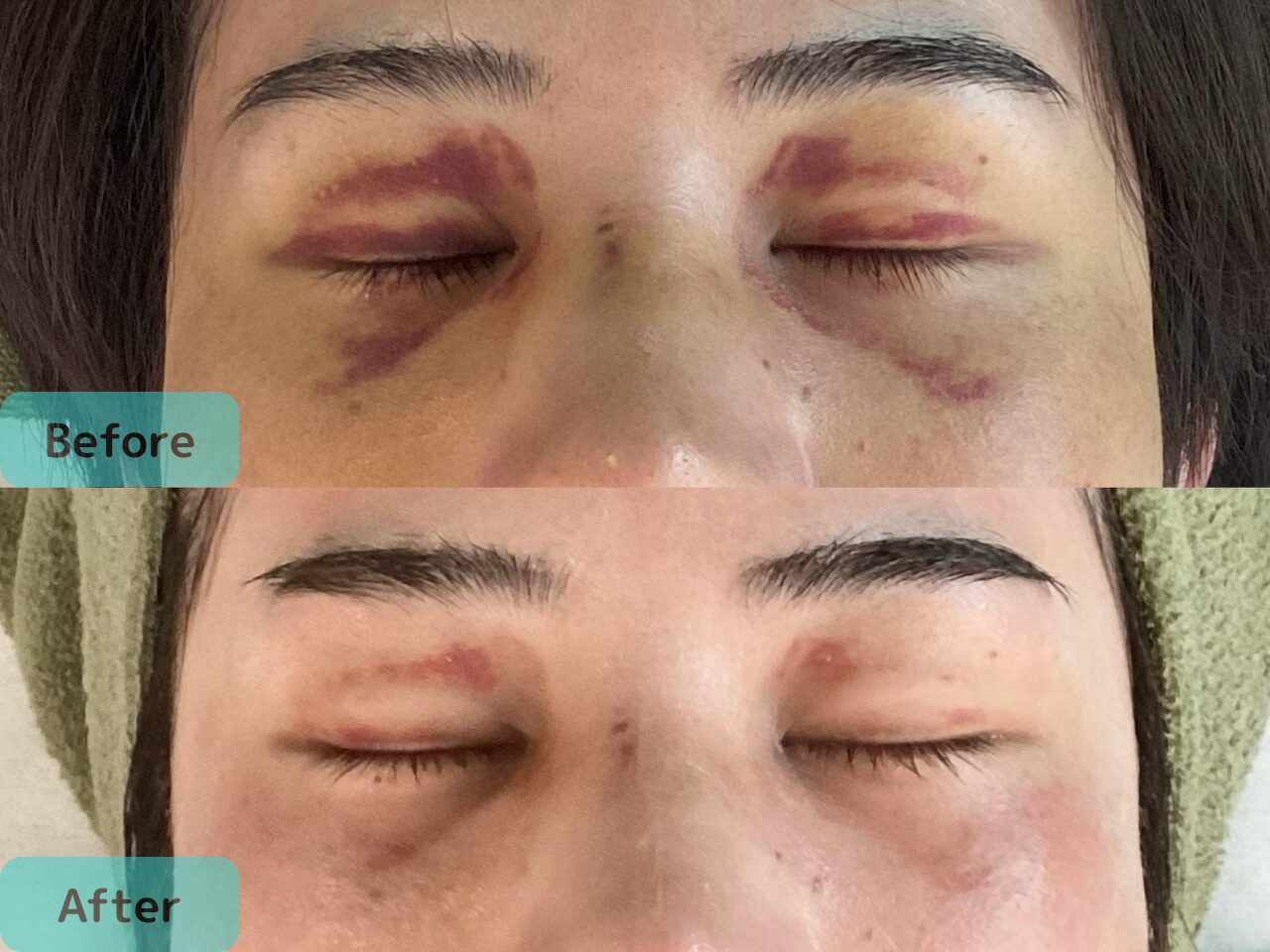
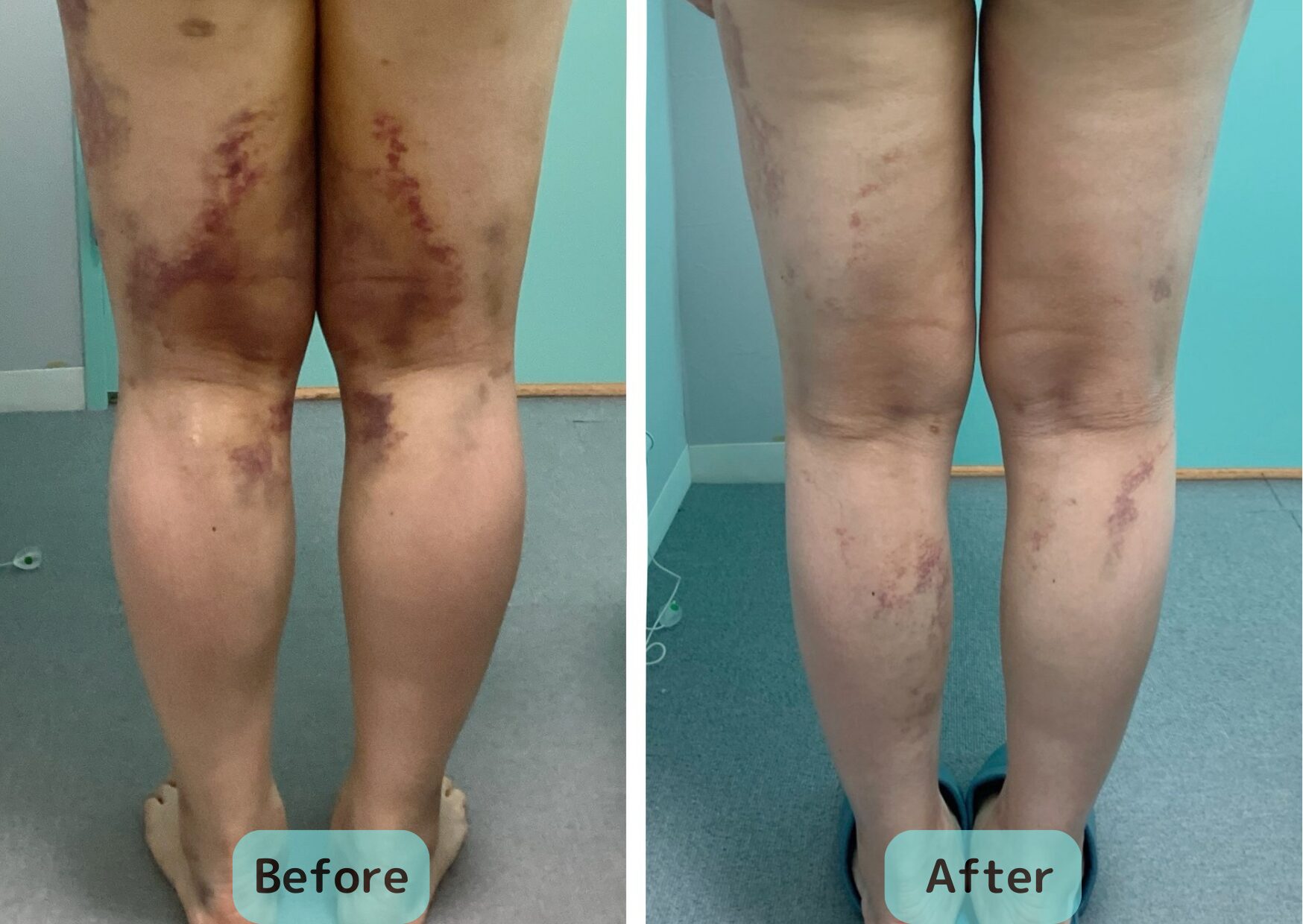
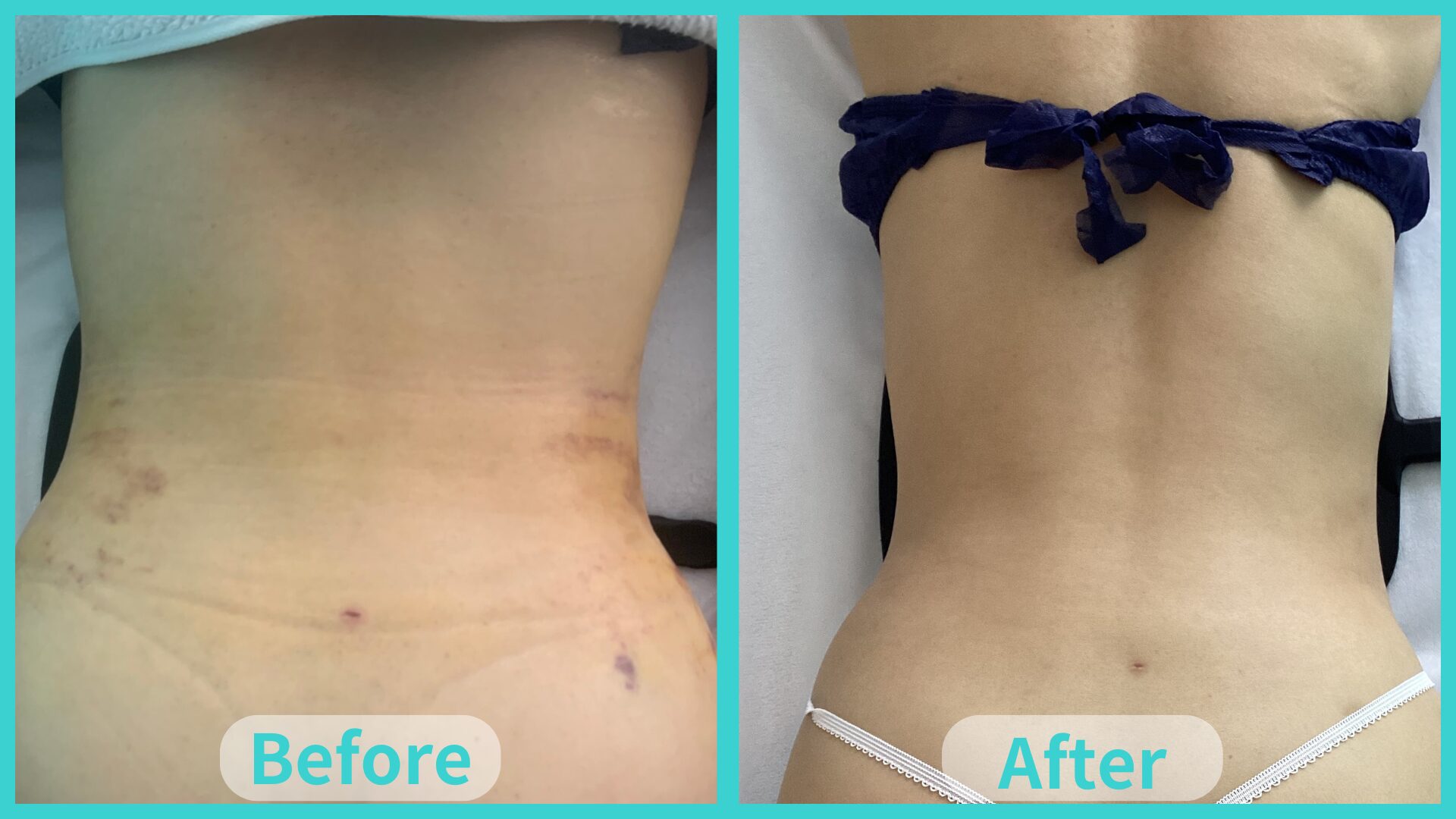
◆Bruising (Subcutaneous hemorrhage) or Edema (Swelling)◆
Tissue damaged by surgery allows blood and lymph fluid to seep out.
This accumulation of fluids in the subcutaneous tissue is "bruising" and "edema."
The degree is proportional to the invasiveness of the surgery.
→INDIBA has an extremely high blood flow-promoting effect, allowing it to quickly move the accumulated fluids into the lymphatic system and promote absorption. The blood flow-promoting effect of INDIBA is incomparable to warming the body through massage or bathing.
◆Pain◆
The swollen state compresses the nerves, causing painful symptoms. Also, poor blood circulation causes a lack of oxygen, leading to the production of pain-inducing substances.
INDIBA generates "Joule heat" from the body's own cells, so the warming effect lasts longer. INDIBA's strength is in warming to improve blood flow.
Warming stabilizes the autonomic nervous system, with the parasympathetic nervous system becoming dominant, further alleviating pain.
◆Constriction◆
This is a particular problem after liposuction surgery.
It is the body's natural response to fill the cavity created by fat removal, appearing 3-4 weeks after surgery and gradually subsiding over several months (the calm-down period varies depending on the degree of invasiveness and individual differences).
INDIBA has been shown to increase "heat shock proteins" that repair damaged tissue, promoting this natural healing process.
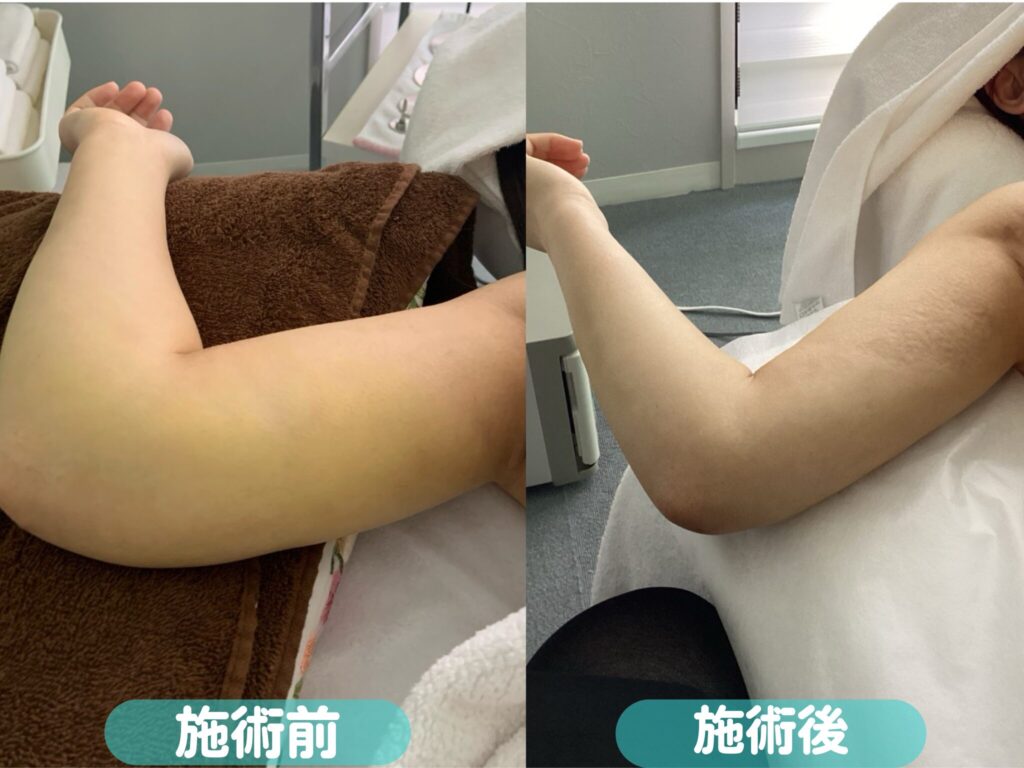
◆Skin Damage◆
Postoperative poor blood flow also affects the skin. Additionally, edema stretches the delicate skin.
INDIBA's blood flow-promoting effect ensures adequate nutrition reaches the skin. Furthermore, the warming action increases collagen, improving skin firmness and elasticity.
While the fat may have been removed, if the skin lacks luster and firmness, the appearance will not be beautiful. INDIBA can provide the finishing touch!
Treatable areas after surgery

Face

Thighs & Calves

Waist & Abdomen

Arms & Back

Bust
When can INDIBA treatments start?
Facial liposuction (cheeks, under chin)
Facial liposuction (cheeks, under chin)
Treatments can start from 7 days after surgery.
Bone contouring, 3-point reshaping
Bone contouring, 3-point reshaping
Treatments can start from 14 days after surgery.
*If edema is severe, we can start from 7 days after.
Arm, abdomen, thigh liposuction
Arm, abdomen, thigh liposuction
Treatments can start from 7 days after surgery.
How often should I come for treatments?
Facial liposuction (cheeks, under chin)
Facial liposuction (cheeks, under chin)
Tightness and constriction are a concern for about 2 weeks after surgery. We recommend treatments about once a month to twice a month for 1-2 months.
Arm liposuction
Arm liposuction
Edema can extend to the back of the hand, so we recommend treatments before and after suture removal. Pain and discomfort can last for about 2 weeks. After that, you can start to feel the slimness.
Then, we recommend treatments to address constriction in the elbow and underarm area for 2-3 months. Once or twice a week is recommended.
Abdomen, waist liposuction
Abdomen, waist liposuction
Liposuction in the abdomen and waist has a wider treatment area, so post-surgical pain, swelling, constriction, and tightness are stronger compared to other areas.
We recommend treatments before and after suture removal.
It takes about 1 month for the pain and swelling to subside. After that, you can start to feel the slimness (waistline).
Then, we recommend treatments to address constriction in the abdomen to waist area for 2-4 months.
Once or twice a week is recommended.
Thigh liposuction
Thigh liposuction
Liposuction in the thighs has a wider treatment area, so post-surgical pain, swelling, constriction, and tightness are stronger compared to other areas.
We recommend treatments before and after suture removal.
It takes about 1 month for the pain and swelling to subside. After that, you can start to feel the slimness.
Then, we recommend treatments to address constriction in the (inner) thighs for 2-4 months.
Once or twice a week is recommended.
INDIBA Body Risks and Side Effects
The high-frequency of INDIBA generates gradual Joule heat in the body, so the risk of burns and other troubles is low.
Also, as it does not react with artificial joints, bolts, or other implants in the body, there are no issues.
After treatment, the body's internal tissues may feel warm, but this returns to normal over time.

Frequently Asked Questions
Can I receive Indiba treatment before the sutures are removed?
Can I receive Indiba treatment before the sutures are removed?
Yes, Indiba treatment can be performed before the sutures are removed. However, direct stimulation to the affected area is avoided due to the risk of infection. Before suture removal, treatment will focus on lymphatic flow and preventing swelling.
I have metal, titanium, and screws in my face from bone cutting surgery. Can I still receive Indiba treatment?
I have metal, titanium, and screws in my face from bone cutting surgery. Can I still receive Indiba treatment?
Indiba's high frequency does not react with metals or artificial joints, so treatment is possible. It is recommended as it helps warm the surrounding tissues, easing mouth opening and reducing facial swelling. Please ensure to note this on your medical history form when you visit.
What are the symptoms of constriction?
What are the symptoms of constriction?
Constriction refers to the symptoms that occur about a week after liposuction, where the skin in the treated area becomes hard or bumpy.
Why does constriction occur?
Why does constriction occur?
The skin consists of three layers: the epidermis, dermis, and subcutaneous tissue. Liposuction removes fat tissue from the subcutaneous layer, creating a cavity that leads to constriction.
How long does constriction last?
How long does constriction last?
The duration of constriction varies based on the treated area and the amount of fat removed, but generally, it lasts about one month for the chin and about two months for the arms, abdomen, and thighs. If hardness or bumps persist beyond three months, it may indicate leftover or excessive fat, and a visit to the clinic is advisable.
What are the complications after liposuction?
What are the complications after liposuction?
**Infection**: There is a risk of infection from the incision. This risk remains even after sutures are removed. It's recommended to apply protective tape over the wound.
**Fat embolism**: Rarely, blood vessels may be damaged during suction, leading to a fat globule entering the bloodstream and causing blockage.
**Sensory abnormalities**: The skin around the suctioned area may experience numbness or hypersensitivity, which usually improves within about three weeks.
When can I start exercising?
When can I start exercising?
It is advisable to avoid vigorous exercise from the day of surgery until the sutures are removed. Engaging in physical activity may increase swelling and pain. Light exercises like walking or strength training can begin gradually once the bruising has subsided, but this varies individually based on the treatment area, amount of fat removed, body type, age, etc.
How long will post-operative pain last?
How long will post-operative pain last?
Post-operative pain varies by individual. Many report that the peak pain occurs within the first five days, gradually alleviating over time.
What is the nature of the pain?
What is the nature of the pain?
Post-operative pain differs among individuals. It is often described as a strong muscle ache or sensitivity from bruising. Most experience a tolerable level of pain.
Are there ways to alleviate the pain?
Are there ways to alleviate the pain?
Taking pain relievers and applying compression to the suctioned area can help reduce pain. Wearing a girdle or similar garment is beneficial for compression. *Note: Caution is required in areas with major arteries, such as the back of the knees or underarms, to avoid impeding blood flow.*
What about bruising?
What about bruising?
Bruising is common after liposuction, appearing as red-purple marks. Blood will gradually be absorbed by the skin, and bruises will fade. Bruises may appear in areas below the suctioned site due to gravity.
Will the scars disappear?
Will the scars disappear?
Healing varies individually, and scarring depends on the individual's body type. To minimize scarring, products containing heparin, allantoin, or hydroquinone found in scar treatment creams may be effective.
What causes swelling?
What causes swelling?
Swelling occurs due to the accumulation of anesthetic fluid, lymph fluid, and blood in the cavity created by the liposuction. Although swelling and constriction are different symptoms, they share the aspect of empty space.
Does liposuction lead to weight loss?
Does liposuction lead to weight loss?
Liposuction does not equate to weight loss. The fat cells removed are very light, and since over 60% of the human body is made up of water, removing fat and blood does not result in significant weight loss.
Do the treated areas become less prone to weight gain?
Do the treated areas become less prone to weight gain?
Since liposuction physically removes fat cells, the treated areas are less likely to gain weight. However, excessive eating can lead to an increase in subcutaneous and visceral fat.
When can I take a bath after the procedure?
When can I take a bath after the procedure?
While some countries recommend avoiding baths for a month post-surgery, once sutures are removed and the wounds are confirmed to be closed, you can bathe normally. Bathing can help speed up the healing of bruises.
How long do I need to wear compression garments?
How long do I need to wear compression garments?
Compression garments help minimize swelling and pain. They should be worn until swelling subsides, but as swelling decreases, it is advised to reduce the duration of wear to promote blood circulation.
Is Indiba treatment painful?
Is Indiba treatment painful?
There is no pain involved. It uses a heating method called Joule heat, providing deep relaxation by warming the body from within. Indiba uses a frequency of 0.44 MHz, which is much lower than that of a microwave, allowing for targeted warming of body tissues.
Are there any side effects from Indiba?
Are there any side effects from Indiba?
After treatment, some may experience symptoms similar to post-exercise fatigue, with increased urination as the body detoxifies. Initially, you may feel overall fatigue or heaviness, but these symptoms typically subside within 1-3 days, so there's no need for concern. Adequate hydration before and after treatment is recommended.
Can pregnant women receive Indiba treatment?
Can pregnant women receive Indiba treatment?
Indiba treatment is contraindicated for pregnant women, those with pacemakers, individuals feeling unwell (fever, cold symptoms, etc.), and those receiving strong chemotherapy. Please consult with your physician if you have any medical concerns.
If I have metal or artificial joints, can I still receive Indiba treatment?
If I have metal or artificial joints, can I still receive Indiba treatment?
Indiba's high frequency does not react with metals or artificial joints, so treatment is possible. In fact, it helps warm surrounding tissues and improve mobility. Make sure to note this on your medical history form when you visit.
Can men receive treatment?
Can men receive treatment?
Yes, treatments are available for all genders. You can choose any course without concerns.
I’m not sure which treatment to choose. What should I do?
I’m not sure which treatment to choose. What should I do?
We offer a wide range of treatments, so it's common to feel unsure. When making a reservation, simply mention that you'd like to discuss your options, and our staff will help you decide on the day of your appointment.